Carpet Cleaning in Chelsea

Carpet Cleaning Chelsea brings together practical floorcare for homes, flats and business premises in a way that suits the fabric, layout and routine of each property. Our main service focuses on lifting embedded soil, reducing visible marking and refreshing carpet appearance without making exaggerated promises about results that depend on fibre type, wear and previous treatment. The work can include routine maintenance, targeted stain treatment and deeper cleaning methods where the condition of the carpet calls for more than a light surface refresh.
We clean common domestic and commercial carpet types, including fitted carpets in living rooms, bedrooms, stairs, landings, offices and reception areas. Where needed, we can also support related fabric care through stain removal, pet stain & odour removal and steam carpet cleaning, choosing the approach that suits the material and level of contamination rather than pushing every carpet through the same method.
If you are planning a one-off refresh or ongoing care, the simplest next step is to ask for a quotation with a short description of the rooms, carpet type and visible issues. A little detail helps us decide whether a standard clean, a more intensive treatment or a combination of services is the sensible option. Clear information at the start makes the quotation process more accurate.
What our carpet cleaning service covers
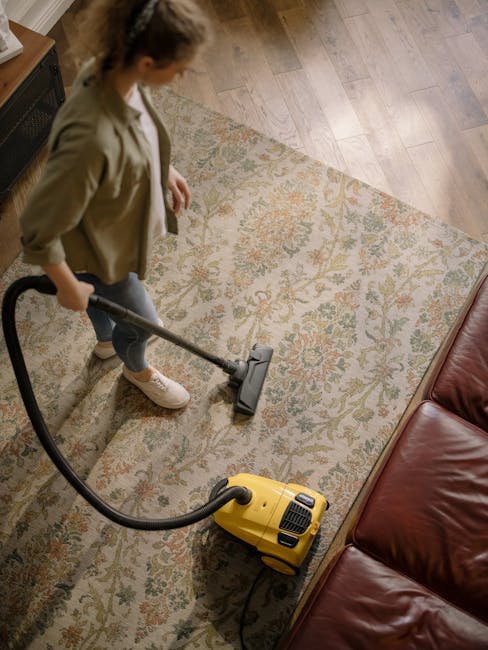
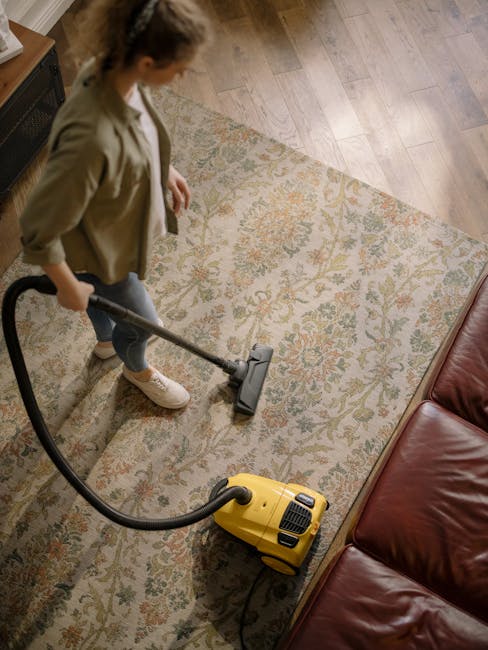
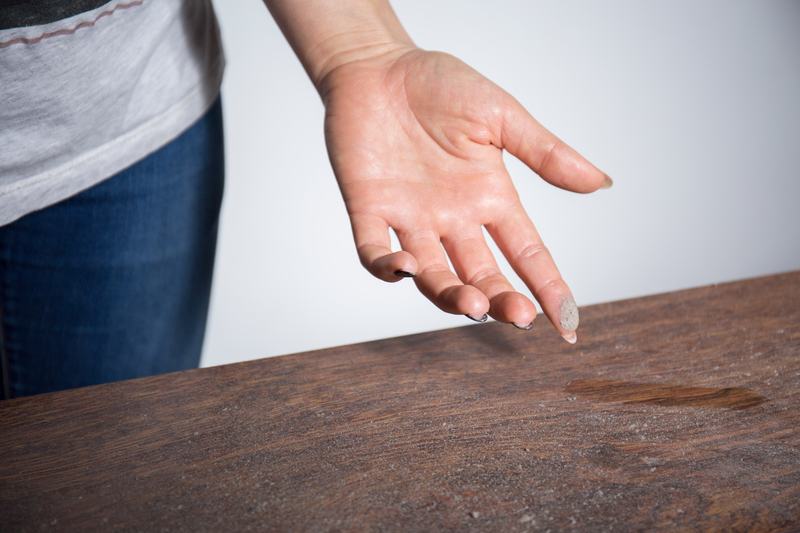
Carpet care is not only about appearance; it also involves the build-up of dust, tracked-in grit and everyday marks that can settle into pile and backing over time. Our carpet cleaning service is designed to deal with these practical issues using methods appropriate to the condition of the floor covering. In some rooms, a careful maintenance clean is enough. In others, heavier footfall, drinks marks or pet traffic may mean a more considered clean with focused pre-treatment before the main extraction or shampoo process.
Alongside the main carpet work, related soft furnishing services can be useful where a room needs a coordinated refresh. For example, some clients choose rug cleaning for loose items, curtain cleaning where fabrics have gathered dust, or upholstery cleaning for chairs and sofas that are part of the same living space. That wider approach can help the whole room look more even after the carpets have been treated.
Our approach is built around the carpet itself: fibre, pile, age, colour and how heavily it is used. Wool blends, synthetic fibres and mixed domestic carpets do not always respond the same way, so we avoid one-size-fits-all language and instead match the work to the surface. Where a carpet is delicate, heavily patterned or already showing wear, the cleaning plan should protect the material as well as improve its presentation.
Deep cleaning and stain-focused treatment

Some carpets only need a regular maintenance clean, but others benefit from deeper treatment when dirt has settled further into the pile. Deep carpet cleaning can include pre-inspection, dry soil removal, targeted spotting and a more thorough wash or extraction stage. The aim is to clean methodically rather than rush straight into the wet process, because that often gives a better result and helps the carpet dry more evenly afterwards.
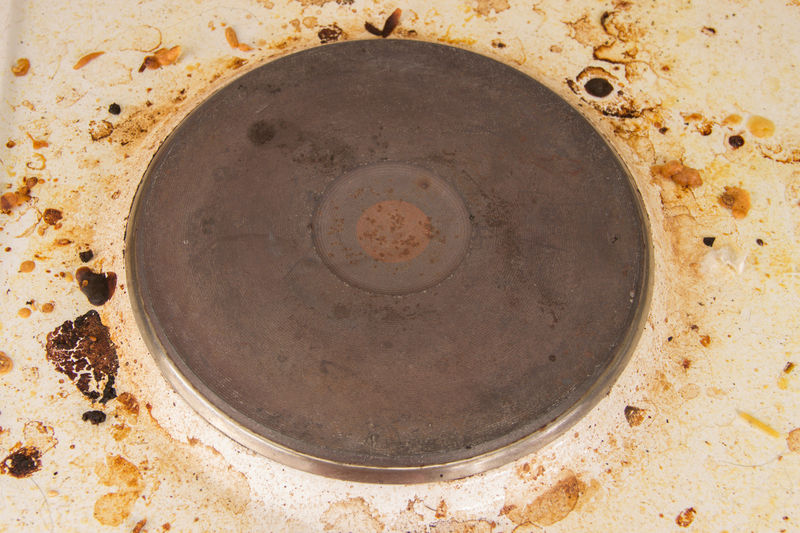
When marks are the main concern, the work may begin with stain-specific attention before the wider clean is carried out. Spills from drinks, food, cosmetics or muddy shoes all behave differently, so it is sensible to treat stains as individual problems rather than one generic issue. For fabrics where the stain has also affected the smell, pet stain & odour removal can be paired with the carpet clean where suitable, while more general marking can be addressed through stain removal.
It is worth remembering that not every mark can be removed completely, especially on older carpets or where a spill has altered the dye or fibre permanently. Honest treatment planning matters more than overclaiming. A sensible carpet cleaner will explain what can be improved, what may lighten rather than disappear and whether additional work would help. That kind of realistic advice is often more useful than a sweeping promise.
Carpet cleaning for homes, flats and shared spaces
Domestic carpet cleaning often needs a careful balance between thoroughness and disruption. In family homes and flats, rooms may need to stay usable soon after the work, so the cleaning plan should take account of access, furniture movement and the type of finish expected. Hall carpets, stairs and landings usually show wear differently from bedroom carpeting, and each area may need slightly different attention during the same appointment.
In shared or managed properties, a cleaner approach to traffic lanes and edge soil can make a noticeable difference to the way a communal space is perceived. If the building also includes other floor surfaces or soft furnishings, services such as communal area cleaning, hard floor cleaning and house cleaning may be relevant alongside the carpet work. The right combination depends on what is actually in the property, not on a fixed package.
For larger interiors, a good carpet clean should be planned room by room so that movement through the property remains practical. That might mean tackling circulation areas first, then bedrooms or offices, then finishing with less-used spaces. This keeps the work organised and helps prevent unnecessary overlap on freshly treated areas.
Preparing for a quotation and booking

To quote accurately, we usually need the number of rooms or areas, the approximate carpet type and a brief note on any stains, odours or heavy wear. Photographs can be useful when a stain is unusual or when access looks complicated, although a simple written description is often enough for straightforward jobs. If you are comparing more than one type of cleaning, it helps to say whether you need carpets alone or a wider room refresh.
When arranging a visit, it is also useful to mention furniture that may need moving, parking restrictions, stairs, lift access or anything else that affects the setup. This is not about creating extra work for you; it is about avoiding surprises on the day and keeping the process efficient. For customers seeking a broader clean, services such as deep cleaning, one-off cleaning or move-in cleaning can be considered if the carpet work is part of a larger reset.
Request a quotation today if you want a clear idea of the likely scope before deciding. A brief conversation is often enough to establish whether a targeted clean, a fuller restoration-style clean or a combined soft-furnishing service is the right fit for the property.
Methods, fibre types and practical limits
Different carpets require different treatment choices. Synthetic fibres often tolerate a broader range of cleaning methods, while natural fibres can be more sensitive to moisture, chemistry and agitation. That is why a carpet cleaner should consider the fibre content and pile structure before selecting equipment or pre-treatment. The method should suit the carpet, not simply the cleaner’s preferred workflow.
Where a property has mixed floorcare needs, it may be sensible to combine carpet work with other related services. commercial carpet cleaning can suit business premises with heavier traffic, while office cleaning may support wider workplace presentation. For premises with broader maintenance needs, commercial cleaning gives a more complete route to keeping the environment tidy and presentable.
There are also sensible limitations to explain before any work begins. Very old, worn or sun-faded carpets may show improvement without looking new, and some past stains can leave a permanent shadow even after thorough treatment. Clear expectations avoid disappointment and help the cleaning method focus on realistic gains. In practical terms, the best result is usually the one that improves appearance, hygiene and consistency without stressing the fibres.
About Chelsea
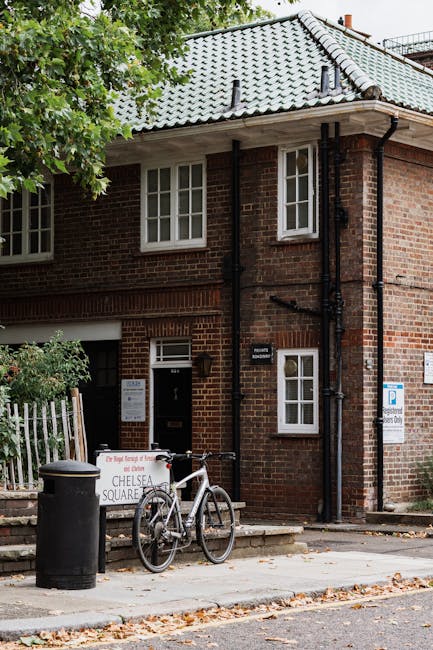
Chelsea is a district in the Royal Borough of Kensington and Chelsea in west London, lying on the north bank of the River Thames. Its history stretches from a riverside settlement recorded in medieval times to an urban quarter that became associated with artists, writers and fashionable retail. The area’s built environment reflects many layers of development: older terraces and mews streets sit alongside mansion blocks, mansion-lined avenues and later commercial stretches. King’s Road remains one of the best-known thoroughfares, shaped by periods of retail change, cultural association and residential prestige. Sloane Square marks an important focal point, linking the area to surrounding parts of central London and to long-standing shopping and theatre activity. Chelsea Physic Garden, founded in 1673, is one of the district’s most notable historic institutions and provides a reminder of its early scientific and horticultural connections. Close by, the Royal Hospital Chelsea, completed in the late seventeenth century for retired soldiers, adds a distinctive architectural landmark and ceremonial presence. The riverside path and nearby embankment bring open views to a part of London that is otherwise dense and urban. Local architecture ranges from modest period houses to large stucco-fronted terraces, with conservation concerns shaping how the streetscape has changed over time. Cultural life has long included galleries, design shops and events that draw on Chelsea’s reputation for style and creativity, while the area also contains quieter residential pockets away from the busiest retail streets. As a result, Chelsea combines historic depth, tightly arranged streets and a varied urban character that makes it one of London’s most recognisable neighbourhoods.
Commercial carpet care for workplaces and managed buildings
Business carpets tend to show wear in traffic paths, entrances, meeting rooms and circulation areas, so commercial carpet cleaning often needs a planned approach rather than a quick surface freshen-up. We can work around opening hours where possible and focus on the areas that matter most to presentation and day-to-day use. That may include reception flooring, desk areas, corridors or shared rooms where dirt is most likely to collect.
For some premises, the carpet work sits alongside wider building care. Services such as office cleaning, communal area cleaning and regular cleaning can help keep the entire setting orderly between more intensive carpet treatments. Where fitted carpets need treatment as part of a more general maintenance programme, a clear schedule can make the work more consistent over time.
Commercial clients often want straightforward planning: which rooms are included, what access is needed and how the work will be phased. Those details matter because busy environments cannot always be treated like empty domestic rooms. The right carpet clean should support the use of the premises, not interrupt it unnecessarily.
Choosing the right carpet clean for your property

The most suitable carpet clean depends on more than the visible condition of the floor. Age, pile height, underlay, prior maintenance and the presence of upholstery or rugs can all influence the best method. A light refresh may suit a well-kept room, while a deeper wash may be more appropriate where the carpet has received years of foot traffic or several untreated spills. Matching method to condition is the best way to avoid unnecessary wear.
If the room also contains fabric furnishings, it can make sense to think about the whole area rather than the carpet alone. sofa cleaning, mattress cleaning and curtain cleaning can all complement carpet care when the aim is a fresher overall environment. This is especially useful when a room’s soft furnishings have accumulated dust or patches that make the carpets look less effective by comparison.
Ask for a quotation if you would like the work broken down clearly. A sensible quote should reflect the specific rooms, the condition of the fibres and any added services needed, rather than treating every property as identical. That is the best route to a clean that feels planned rather than improvised.
Aftercare and planning for future maintenance
Once carpets have been cleaned, sensible aftercare helps preserve the result. That usually means allowing adequate drying time, keeping foot traffic to a minimum while fibres settle and avoiding immediate re-soiling where possible. In practical terms, the best next step is often to leave the carpet undisturbed until it has had time to dry properly, then resume ordinary use in stages rather than all at once.
For properties that need more than an occasional freshen-up, scheduled maintenance can be a better choice than waiting until the carpet looks tired. Depending on the setting, that might mean pairing the carpet work with regular cleaning, or using domestic cleaning and commercial cleaning as part of a wider plan. A routine approach can reduce heavy build-up and make each future clean more straightforward.
If you are ready to move ahead, the next step is simple: request a quotation and describe the carpets you want cleaned. Whether the job is a single room, a whole property or part of a broader soft-furnishing refresh, we can help you identify the most suitable service and arrange the work in a practical, well-organised way.